Fine Jewelry
Fine jewellery represents the pinnacle of the goldsmith’s art, where precious materials meet exceptional craftsmanship to create pieces that transcend mere adornment. Unlike fashion jewellery, fine jewellery is crafted from precious metals and genuine gemstones, designed to last generations whilst retaining both beauty and value. For those new to this world, the terminology, grading systems, and technical considerations can feel overwhelming—yet understanding these fundamentals empowers you to make confident, informed choices.
This comprehensive resource explores the essential knowledge every fine jewellery enthusiast should possess. From the complexities of horological complications in gem-set timepieces to the nuances of evaluating rubies, sapphires, and emeralds, we’ll demystify the technical aspects whilst celebrating the artistry. Whether you’re considering an engagement ring, building a versatile collection, or simply deepening your appreciation, you’ll discover practical guidance on materials, gemstone selection, craftsmanship quality, and long-term care.
Where Horology Meets High Jewellery
The intersection of watchmaking and high jewellery creates some of the most extraordinary objects in the luxury world. When a timepiece incorporates grand complications—such as tourbillons, perpetual calendars, or minute repeaters—it transcends pure function to become wearable sculpture. The tourbillon, for instance, was originally designed to counteract gravity’s effect on timekeeping accuracy, yet today it serves as much as a status symbol as a functional feature, with its hypnotic rotating cage visible through skeletonised dials.
Skeletonisation itself exemplifies this marriage of technical prowess and aesthetic ambition. By removing excess material from the movement whilst maintaining structural integrity, watchmakers create transparent mechanisms that reveal the intricate dance of gears and springs. However, this technique carries risks—reduced durability and increased sensitivity to shock and moisture. Vintage pieces require particular consideration, as age affects material stability differently depending on construction methods and previous maintenance.
When gemstones enter the equation, the line between timepiece and jewellery blurs entirely. High jewellery watches employ sophisticated gem-setting techniques—from pavé and invisible settings to elaborate snow-setting—that demand microscopic precision. The challenge lies in preserving the movement’s integrity whilst accommodating the structural requirements of stone setting. For buyers, this means understanding not just carat weight, but how setting style affects both security and the ability to clean intricate arrangements without damaging delicate prongs or dislodging stones.
Precious Materials: The Foundation of Fine Jewellery
The materials chosen for fine jewellery fundamentally determine its character, durability, and value. Understanding these choices helps you balance aesthetic preferences with practical considerations.
Gold Purity and Precious Metals
Gold purity standards vary globally, with British hallmarking recognising 9ct, 14ct, 18ct, and 22ct gold. The carat system indicates gold content: 18ct contains 75% pure gold, whilst 9ct contains 37.5%. Higher purity offers richer colour and hypoallergenic properties, but increased softness. The 25% of alloying metals in 18ct gold provides structural strength—essential for settings securing valuable gemstones. Think of it like architectural support: pure gold resembles clay, whilst alloyed gold becomes reinforced concrete.
The distinction between plated and solid construction proves crucial for longevity. Gold-plated pieces feature a thin precious metal layer over base metal, which inevitably wears through with friction. Solid gold jewellery maintains consistent composition throughout, developing a patina rather than exposing different metals. For daily-wear pieces, solid construction justifies the investment. Platinum offers exceptional durability and naturally white colour that never requires re-plating, though its density makes it considerably heavier and more expensive.
Understanding Durability Through the Mohs Scale
The Mohs hardness scale measures scratch resistance, a practical concern for jewellery longevity. Platinum and gold (Mohs 4-4.5) scratch relatively easily, developing character over time. Ceramic, increasingly popular in contemporary designs, rates 8-9 on the Mohs scale—comparable to sapphire—offering exceptional scratch resistance. However, ceramic’s brittleness means sharp impacts can cause chipping where gold would merely dent.
Construction method matters equally: hollow versus solid fabrication affects both durability and value. Hollow chains and bangles use less material, reducing cost and weight, but dent more easily and prove difficult to repair. Solid construction withstands daily wear better, though weight and price increase accordingly. For heirloom pieces, solid construction preserves value across generations.
The Big Three Gemstones: Rubies, Sapphires, and Emeralds
Beyond diamonds, three coloured gemstones command particular reverence in fine jewellery: rubies, sapphires, and emeralds. Understanding their unique characteristics helps you appreciate their value and make informed selections.
Rubies: Intensity and Rarity
Rubies, the “king of gems,” derive their crimson glory from chromium within corundum crystal. Their rarity exceeds even diamonds—fine natural rubies above three carats command astronomical prices. The market sees various treatments, from benign heat treatment (standard and accepted) to problematic lead glass filling, which dramatically affects value and durability. Glass-filled rubies may disintegrate during routine jewellery repairs involving heat.
Inclusions tell stories: natural rubies typically contain silk-like rutile needles, whilst synthetic ruby detection often hinges on too-perfect clarity or curved growth lines absent in natural stones. Rather than flaws, inclusions in rubies serve as fingerprints of authenticity. The most prized specimens exhibit pure red with slight blue undertones—Burmese “pigeon’s blood” rubies—though exceptional stones emerge from Mozambique and Madagascar as well.
Sapphires: A Spectrum of Possibilities
Whilst most associate sapphires with royal blue, these corundum gems occur in virtually every colour except red (which would be ruby). Blue sapphire’s royal association—reinforced through centuries of crown jewels and, more recently, iconic engagement rings—drives demand for fine specimens. Blue tone grading ranges from the velvety Kashmir cornflower to the intense royal blue of Burmese stones and the darker Australian material.
The oval cut’s popularity for sapphires isn’t merely aesthetic—this shape maximises carat weight retention from rough whilst optimising colour distribution. Sapphire’s exceptional durability (Mohs 9) makes it ideal for daily wear, resisting scratches that would mar softer gems. The halo setting frequently accompanies sapphires, both for visual impact and because diamonds’ brilliance complements sapphire’s colour saturation beautifully.
Beyond blue, fancy-colour sapphires offer remarkable diversity. Pink sapphires occupy the spectrum between ruby and pale rose, with the boundary at ruby arbitrarily defined by chromium saturation. Yellow sapphires provide warmth without topaz’s relative softness, whilst rare colour-change sapphires shift from blue in daylight to purple under incandescent light—a phenomenal optical effect caused by trace elements.
Emeralds: The Fragile Beauty
Emeralds present a paradox: intensely desired yet inherently fragile. Unlike sapphires and rubies, emeralds rate only 7.5-8 on the Mohs scale, and their characteristic jardin (garden-like inclusions) create internal fractures. This explains why inclusion acceptance differs dramatically for emeralds—stones considered eye-clean command premiums, yet even fine specimens contain visible inclusions that would render other gems unacceptable.
Geographic origin significantly influences character and value. Colombian emeralds exhibit pure green with slight blue undertones and exceptional transparency, whilst Zambian stones show deeper colour with blue-green tones. Neither proves inherently superior—preference remains subjective, though Colombian provenance often commands higher prices based on historical prestige.
The emerald cut, with its rectangular facets and trimmed corners, wasn’t merely named for the gem—it was specifically developed to minimise pressure during cutting and wearing, reducing fracture risk. This cut showcases emerald’s colour whilst protecting vulnerable corners. Given their fragility, emeralds require thoughtful wearing: security clasps for necklaces, protective settings for rings, and careful storage preventing contact with harder gems that might scratch them.
Evaluating and Selecting Gemstones
Assessing coloured gemstones requires different criteria than diamonds, though some principles overlap. Developing evaluation skills protects against overpaying and ensures your selections meet expectations.
The Four Cs for Coloured Stones
Whilst diamonds emphasise cut precision and clarity, coloured gemstones prioritise colour intensity and distribution. The adapted Four Cs—colour, clarity, cut, and carat—apply differently. Colour proves paramount: a well-saturated, evenly distributed hue commands premiums regardless of minor clarity compromises. Cut quality matters less for precision than for how effectively it displays colour and minimises extinction (dark areas where light fails to reflect).
Clarity expectations vary dramatically by gem type. An emerald with eye-visible inclusions may be entirely acceptable, whilst the same clarity in sapphire would significantly reduce value. Eye-clean versus flawless becomes the practical distinction—can you see inclusions without magnification? Flawless coloured stones command collector premiums but offer little visual advantage in jewellery.
Treatments, Disclosure, and Certification
Treatment disclosure represents both an ethical and practical concern. Heat treatment of sapphires and rubies—standard for centuries—remains acceptable and doesn’t require special care. However, fracture-filling, diffusion treatment, or irradiation affect durability and value substantially. Reputable sellers disclose all treatments; absence of clear information should raise concerns.
Professional certification from recognised laboratories provides independent verification of gemstone identity, treatment status, and quality factors. For significant purchases, certification reliability varies between laboratories—established institutions with conservative grading protect buyers better than unknown entities. Certificates don’t guarantee beauty, but they do confirm you’re purchasing what sellers claim.
The emergence of lab-grown alternatives affects the coloured stone market less than diamonds currently, though synthetic sapphires and emeralds exist. Lab-created stones offer identical chemical and optical properties at lower prices, making them attractive for jewellery emphasising design over investment value. The key lies in clear disclosure—synthetic gems prove problematic only when misrepresented as natural.
Craftsmanship and Setting Techniques
How gemstones are set determines both security and aesthetic impact. Understanding various techniques helps you evaluate quality and choose appropriate styles for your lifestyle.
Prong settings—the most common technique—use metal claws to grip stones, allowing maximum light entry whilst securing gems. Prong types vary from rounded to flat, pointed to V-shaped (protecting vulnerable pointed corners on marquise or heart-shaped stones). Four-prong settings offer a modern, minimal look, whilst six-prong arrangements provide greater security for valuable stones. The trade-off involves metal coverage versus light performance.
The hidden halo represents a contemporary trend—a ring of small diamonds set beneath the centre stone, visible only from the side. This creates perceived size increase without the traditional halo’s visual weight. Bezel settings fully encircle stones with metal, offering maximum protection for daily wear whilst creating contemporary, streamlined aesthetics. However, bezels reduce light entry and require precise sizing—enlarging bezel-set rings proves difficult.
Construction details reveal quality: band width and metal weight affect both comfort and durability. Knife-edge shanks create dramatic profiles but prove less comfortable and more vulnerable to damage. For engagement rings, considering how wedding bands pair matters—whether matching sets, designed to nest together, or independent styles that complement each other. The depth of any engraving affects longevity; shallow engraving may wear smooth over decades, whilst deeper personalisation endures.
Classic versus trendy design proves a personal calculation. Heritage styles—solitaires, three-stone rings, classic halos—transcend fashion cycles, whilst contemporary trends offer current relevance but risk appearing dated. For heirloom pieces, timeless design often proves wiser, whilst fashion jewellery can embrace current aesthetics without long-term concerns.
Building an
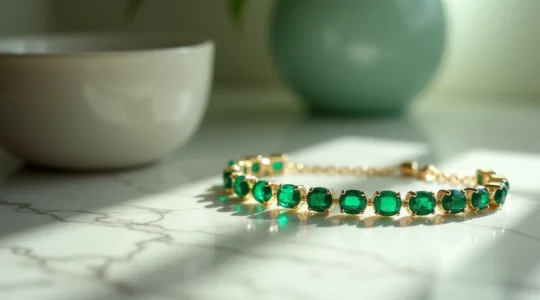
How to Style a Statement Emerald Necklace Without Looking Dated?
The secret to modernising an heirloom emerald necklace isn’t hiding its grandeur, but amplifying it through intentional, contemporary contrast. Forget old-fashioned rules; pair opulent emeralds with sharp, modern necklines and even crisp, unbuttoned shirts for a high-fashion edge. Balance is…
Read more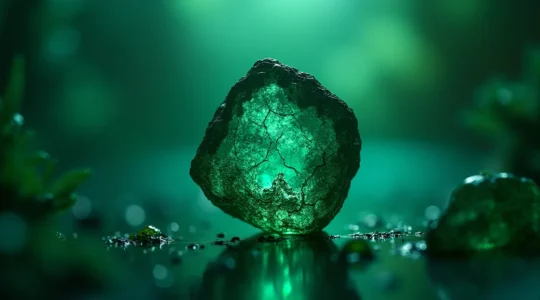
Why Is an Emerald’s ‘Jardin’ Not a Flaw, But Its Soul?
Contrary to the belief that a perfect gem must be flawless, an emerald’s value and identity are found within its inclusions, or ‘jardin’. This internal landscape is a Crystalline Fingerprint, proving the gem’s natural origin and telling its unique geological…
Read more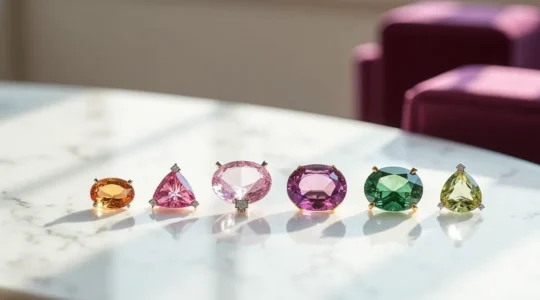
Did You Know Sapphires Come in Every Colour Except Red?
While we picture sapphires as deep blue, the fascinating truth is their vast colour range is caused by ‘impurities’ accidentally trapped within their crystal structure. Minute traces of elements like iron, chromium, and titanium act as nature’s paintbrush, creating every…
Read more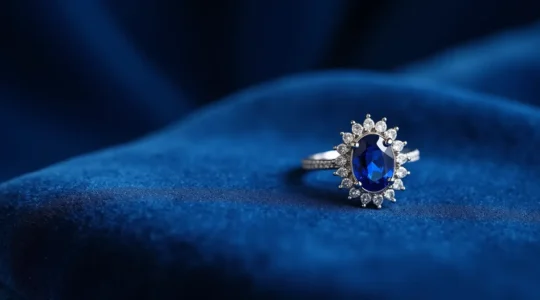
How Did Princess Diana’s Ring Change the Global Sapphire Market?
Princess Diana’s engagement ring was more than a royal jewel; it was a strategic design blueprint that engineered a global shift in the sapphire market by perfectly showcasing the gem’s potential. The choice of an oval cut and halo setting…
Read more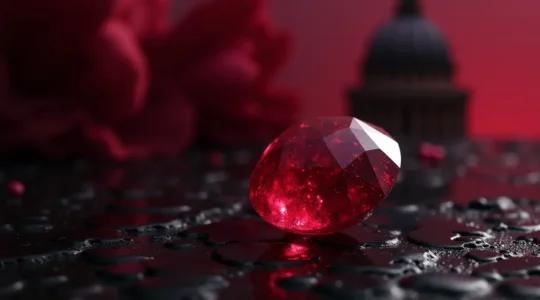
Why Are Unheated Pigeon Blood Rubies the Most Expensive Coloured Gems?
The extreme value of a top-tier ruby is not just about its colour; it’s a financial ecosystem built on verifiable naturalness, unimpeachable provenance, and the psychology of power. Authenticity is paramount: The market heavily penalises treatments, making certified unheated stones…
Read more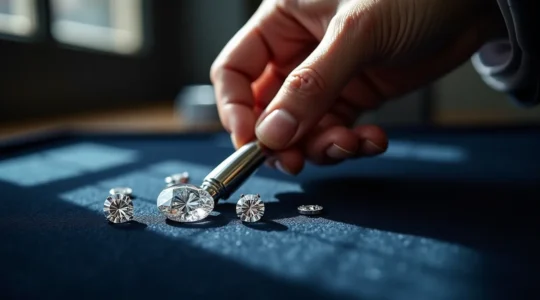
How to Prioritise the 4 Cs to Get the Best-Looking Diamond for Your Budget
The secret to making a £5,000 diamond look like it’s worth £10,000 is to master a wholesaler’s ‘Hierarchy of Compromises’, focusing every penny on visible sparkle rather than paper specs. Prioritise an ‘Excellent’ Cut above all else; it’s the engine…
Read more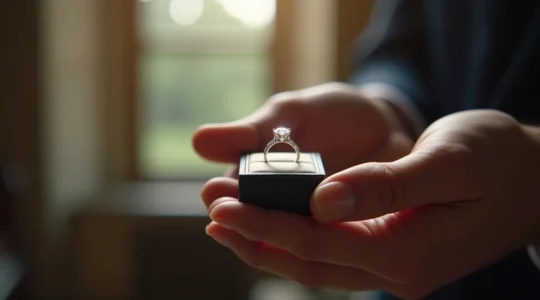
Why Is the Solitaire Setting the Safest Choice for an Undecided Groom?
The solitaire ring isn’t just a ‘classic’ choice; it’s the smartest risk-management strategy for a successful proposal. It offers unmatched timelessness, insulating your investment from fleeting trends that can make other styles look dated. It provides superior structural and financial…
Read more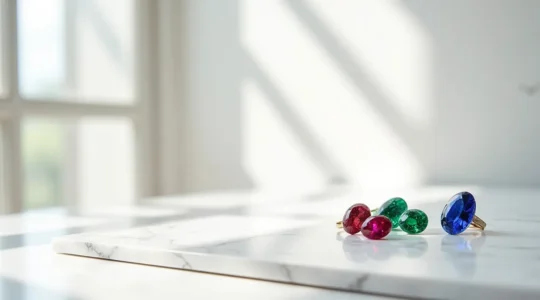
Why Are Coloured Gemstones Often Rarer Than Diamonds?
The belief that diamonds are the pinnacle of rarity is a marketing illusion; a top-quality coloured gemstone’s value is driven by a far more complex and ruthless code of scarcity. Geological rarity is only the starting point. True value is…
Read more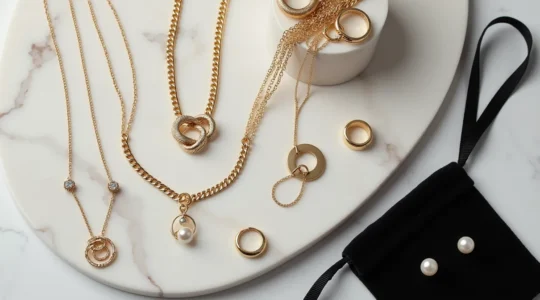
How to Build a Fine Jewellery Capsule That Works for Every Occasion?
Building a fine jewellery capsule isn’t about buying a list of ‘essentials’; it’s about mastering a strategy for versatility. Prioritise a core ‘Metal Anchor’ (like 9ct or 14ct gold) to ensure all your pieces work together cohesively. Focus on acquiring…
Read more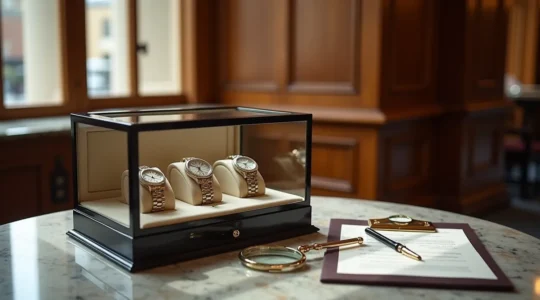
When Does a Watch Become High Jewellery and How Does That Affect Insurance?
A timepiece transitions from a watch to a high-jewellery asset when its value is driven more by its gemological content and craftsmanship than its horological function, fundamentally altering its risk profile and insurance requirements. The choice of a quartz movement,…
Read more